
The Dangerous Lie We Tell Youth Coaches (AKA The Fairness Trap)
If you’ve coached youth basketball, you’ve heard or read advice like this:
“Every player should get game opportunities to bring the ball down the floor.”
“Every player should get a chance to play all positions and shoot from different areas on the floor.”
It sounds great. It’s well-intentioned. And it’s dead wrong! (I’m not talking about playing time. I agree that every player should get significant (albeit not equal) playing time. I’m talking about opportunities with the ball.)
When I first started coaching youth basketball, I agreed with those sentiments. Ten years in, they strike me as naive.
This year, my youngest daughter is in 5th grade. She has the advantage of having played a lot of basketball.
Most of the other girls on her team have played very little basketball. They can’t yet dribble with their head up. When pressured, they tend to panic.
Here’s what happens in our games:
When Tatum brings the ball down the court, we can get it across half-court and usually get a shot attempt.
When one of the other girls tries to bring the ball down the floor, they almost always turn it over before half-court.
And therein lies the issue.
Why Equal Isn’t Fair (For Anyone)
When the other girls consistently turn the ball over, a couple of things ensue:
-
For Tatum, it’s very frustrating. It makes the game less enjoyable for her. In the youth basketball equality debate, I think this point is often overlooked. She works hard at the game. When her teammates' lack of experience and skill consistently leads to failure, it’s very frustrating for her.
This is a common feeling among experienced, skilled players. And it’s understandable. I would go so far as to say it’s UNFAIR when they don’t get the bulk of the opportunities during games. Why? Because it’s FAIR to say they’ve earned them through their practice and hard work.
-
But what about the other players? Won’t they feel slighted if 1-2 players get the majority of the ball handling and shooting opportunities? Don’t they want the extra game opportunities? In my experience, I’ve found the opposite to be true.
In one recent game, we had a couple of other girls handling the ball due to foul trouble. They got the ball stolen 5-6 possessions in a row. By the end of the quarter, both of them were in tears. Is that good for them and their development? Is that likely to make them want to come back and play? Doubtful.
Don’t get me wrong. I’m not saying we shouldn’t let kids experience failure. But I am saying that if failure is all their present ability sets them up to experience, that’s not helpful!
But How Will The Less Skilled Kids Ever Catch Up?
I know some people are asking that question. Here’s the answer: PRACTICE.
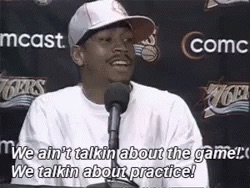
In every youth practice, we should be helping players develop as dribblers and shooters. That’s our responsibility as coaches. We coach every kid, helping them maximize their potential and have a positive experience.
Players can then earn the right to get more game opportunities through what they demonstrate in practice.
As they improve, they get to do more. This does two things:
It incentivizes hard work.
-
It allows players to build confidence in practice before being asked to do something consistently in games.
It helps your team be more successful. Of course, winning and losing aren’t the most important thing in youth sports. But you owe it to your players (especially the best ones) to try to be competitive.
What Do You Think?
I would love to hear some of your experiences. (My hunch is that most youth coaches agree with me, whether they say it or not. I can’t remember the last time we played a team that rotated ball handling duties equally throughout the game.) But if I’m wrong, I want to know!
Should equal opportunities with the ball be part of youth sport, or is that a Pollyanna perspective?
If you’re looking to develop every player on your team so they are ready for game night, check out:
-
Ages 5-9 - Beginner Basketball With Jim Huber - A comprehensive coaching system to properly develop those new to the game. This product offers age-appropriate instruction in the most essential basketball skills, along with complete practice plans. Players learn these skills in a fun and engaging way. In addition to individual skills, players begin to learn team offense and defense concepts.
-
Ages 9-14 - The Youth Coaching System With Jim Huber- A nice compliment or sequel to the Beginner Basketball product. This system continues to focus on youth development, but advances for older players. It combines drills and games to teach players the skills needed to thrive as they continue their careers, and comes with dozens of complete, plug-and-play practice plans.
|
|||


 Facebook (145k Followers)
 YouTube (152k Subscribers)
 Twitter (33k Followers)
 Q&A Forum
 Podcasts